Claude Code 2.1.128: less friction in agentic coding workflows
Part of the series: Claude Code release notes

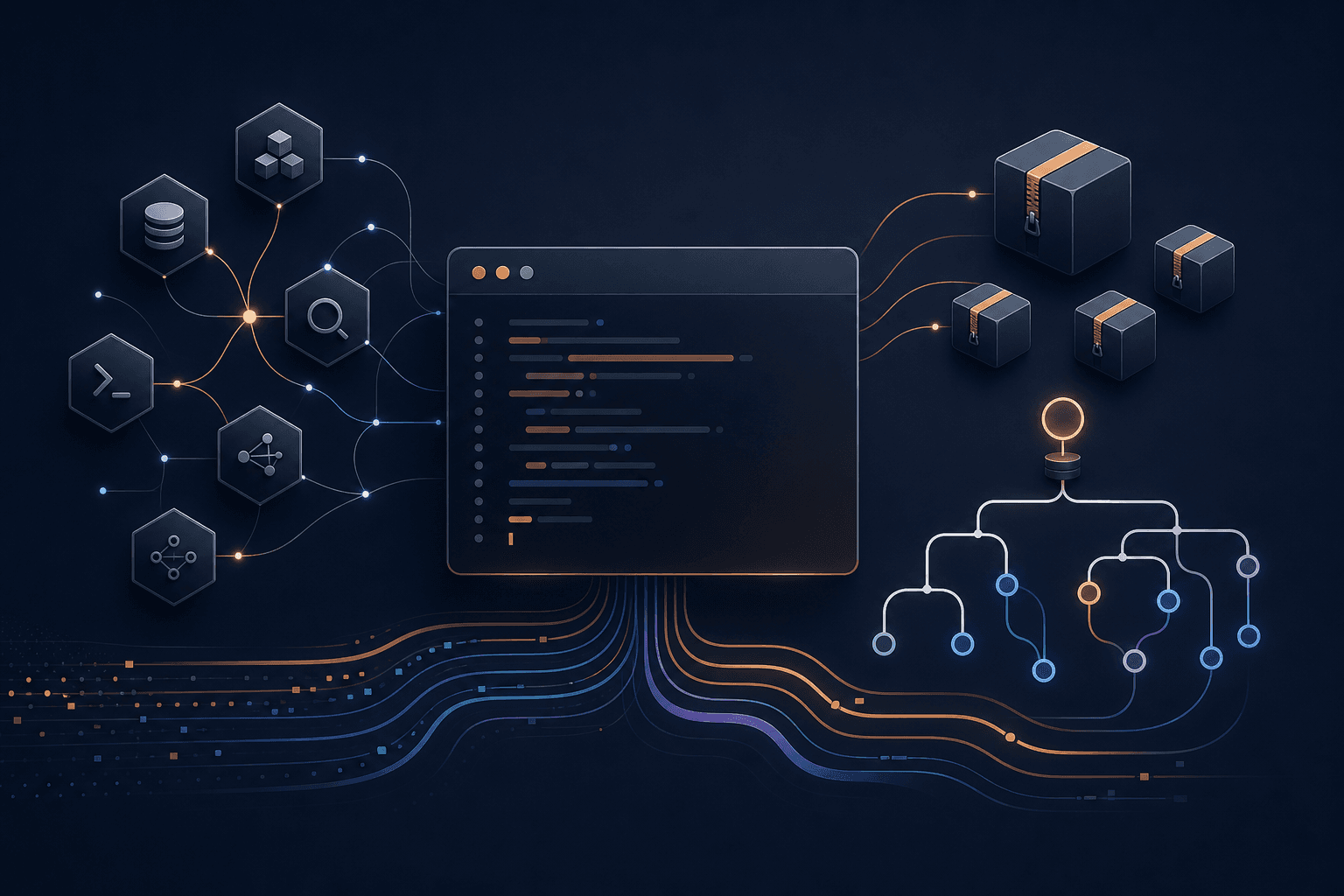
When an agentic coding tool ships late in the evening, it is easy to read the version number as routine maintenance. Claude Code 2.1.128 is more useful than that: it cleans up the boundary between the terminal, MCP servers, plugins, worktrees, and observability. For teams that want agents to do more than small edits, that friction decides whether the tool becomes a habit or just another experiment.
What actually landed in 2.1.128
The latest Claude Code release was published on May 4, 2026 at 23:01 UTC. That makes it a fresh 24-hour signal, but the point is not just updating the package. The point is that Anthropic keeps moving Claude Code from a “smart terminal” toward a more controllable workspace for agentic development workflows.
A few changes stand out for builders:
- MCP is easier to debug:
/mcpnow shows the tool count for connected servers and flags servers connected with zero tools. - Plugins are easier to distribute:
--plugin-dircan now read.ziparchives as well as directories. - Worktrees are safer:
EnterWorktreenow creates the new branch from localHEAD, as documented, instead oforigin/<default-branch>. - Observability is cleaner: Bash, hooks, MCP, and LSP no longer inherit
OTEL_*variables from the Claude Code process. - Large headless runs are more stable:
claude -pshould no longer crash-loop when more than 10 MB is piped through stdin.
Source: Claude Code v2.1.128 on GitHub and Claude Code CHANGELOG.md
Why this matters for Swedish automation teams
The practical theme is control. When Claude Code is used in client projects, internal tools, or CI-like workflows, you want to know three things before allowing the agent into more critical parts of the work:
- Can we see which tools the agent actually has? The MCP overview makes it faster to detect empty or misconfigured servers.
- Can we package workflows without creating local chaos? Zip support for plugins makes it easier to version and share agent capabilities across projects.
- Can we trust that local changes are not lost? The worktree fix reduces the risk that an agent starts from the wrong base when the team has unpushed commits.
- Can we measure the right thing? Preventing subprocesses from inheriting Claude Code’s
OTEL_*environment reduces the risk that external tools send telemetry to the wrong endpoint.
For Hammer Automation readers, the conclusion is simple: today’s best test is not “can Claude Code write code?”, but “can Claude Code work inside our real tool environment without losing traceability, permissions, or local context?”
Source: npm package @anthropic-ai/claude-code 2.1.128
Try this prompt this week
Use this prompt in Claude Code in a non-critical repository where you already use, or plan to use, MCP servers, plugins, or worktrees. Do not run it with dangerous bypass flags. Let the agent read and report first; approve any changes manually.
Run a safety and operations review of our Claude Code workflow after 2.1.128.

Focus on three areas:
1. MCP: identify which MCP servers are used, which tools they expose, and whether any server appears connected but not usable.
2. Plugins and local settings: find Claude Code-related plugin directories, zip archives, .claude/settings.local.json, and project settings. Suggest a clean structure for version control without changing files.
3. Worktrees and unpushed changes: check current git status, local branches, and unpushed commits. Explain how EnterWorktree should be used so local work is not lost.

Rules:
- Do not change files without separate approval.
- Run read-only commands first.
- If a command may expose secrets, suggest it but do not run it.
- Finish with a short prioritized checklist: fix today, watch this week, automate later.
How to use it safely: start in a test repository, run without --dangerously-skip-permissions, and ask Claude Code to show commands before running them if the environment contains client data.
Good results look like this:
- The agent finds real MCP and plugin surfaces, not just generic advice.
- The checklist separates risks, cleanup, and future automation.
- Git status and unpushed changes are explained before the agent suggests worktrees.
- No secrets, tokens, or client names are printed in the report.
What to watch next
Three things are worth tracking over the next few days. First: whether more plugin workflows start building around zip distribution. That could make Claude Code easier to standardize across teams. Second: whether MCP diagnostics continue to become more operational, because zero-tool servers are a common integration problem. Finally: whether headless mode gets more improvements, because that is where many companies start connecting agentic coding to automated reviews, migrations, and documentation jobs.
This is not a flashy release. It is a release that makes the agent less mysterious. In real automation teams, that is often what creates productivity.
The Forge newsletter
Get new articles in your inbox
Pick the topics you care about. No noise, at most one email a week.
We follow GDPR. Unsubscribe anytime.