When AI becomes an operating system for work


AI is moving out of the chat window. The important part is not that models can write one more polished answer. It is that they are starting to act inside the work environments where decisions, files, code, and money already live. At that point, being good at prompts is not enough. You need to manage, limit, and review digital coworkers.
From questions and answers to goals and follow-up
The episode opens with a slightly uncomfortable picture: a computer wakes up at night, checks a spreadsheet, finds an error, writes a script, suggests a fix, and prepares a report before any human has opened the laptop.
The point is not that everyone should let AI work freely while they sleep. The point is that the interface is changing. We are moving from "ask a question and get an answer" to "set a goal, grant the right permissions, and review the work".
That sounds like a small product change. In practice, it is an organizational question. If AI can search documents, run code, summarize meetings, suggest changes, and start new subtasks, every team needs to know where the boundary is.
Governance becomes part of the product
A clear thread in the episode is that security, cost, and control are no longer afterthoughts. They are product requirements.
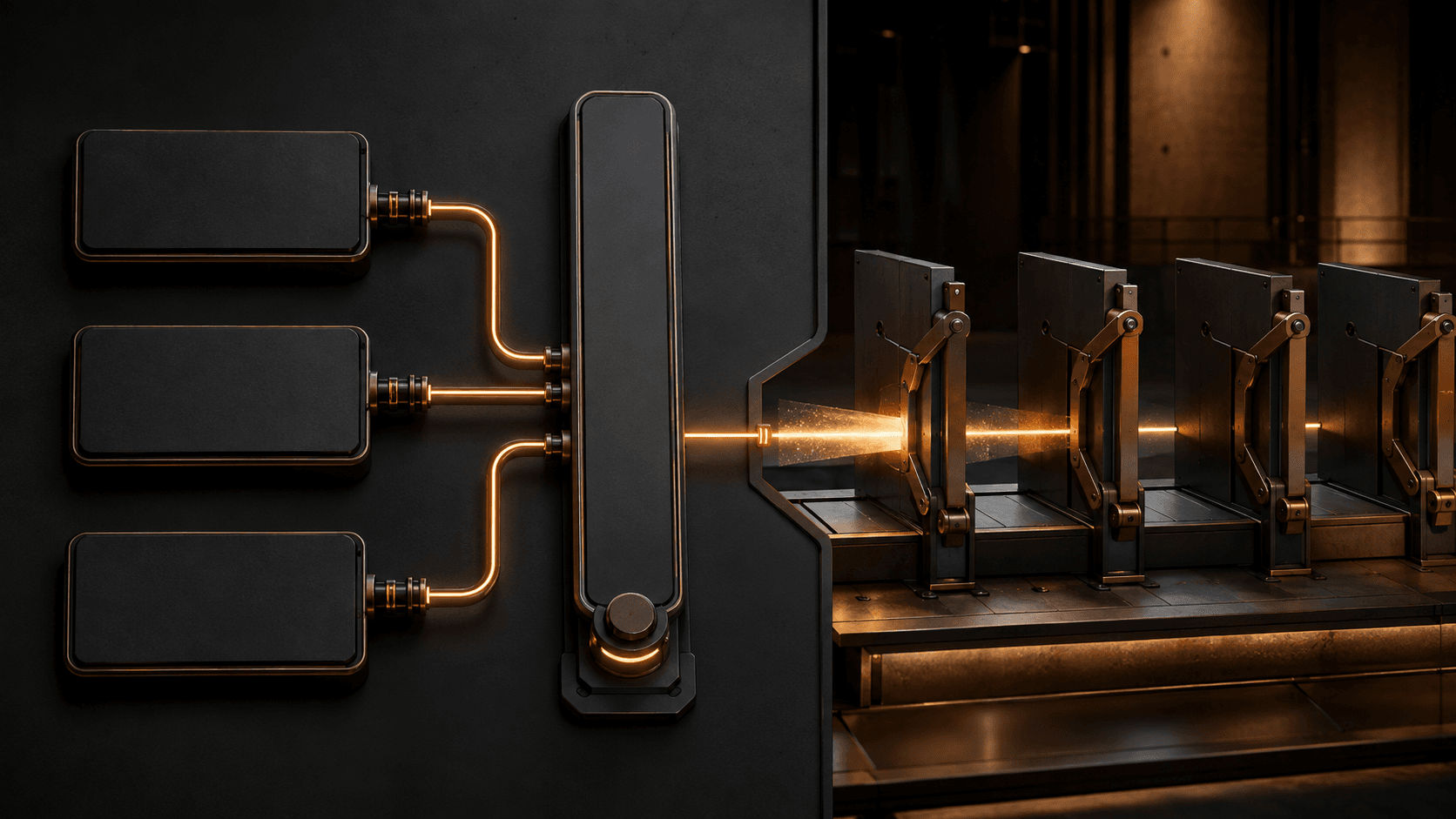
When AI agents can work across several steps, they need the same kind of order as other business-critical infrastructure: permissions, budget ceilings, logs, approval flows, and clear stop rules. Otherwise, an agent that saves time on Monday can create risk, cost, or confusion on Tuesday.
For small teams, this matters even more. Most do not have a large internal AI department that can build a perfect control plane on day one. The smarter start is usually simpler: choose one workflow, set narrow boundaries, log what the agent does, and keep a human approval step before anything touches customers, finances, or production.
AI moves into where the work already happens
The episode walks through several signs of the same movement. AI is moving closer to the desktop, documents, code editor, security tooling, mobile devices, and ordinary workflows.
That is where the value is. A CFO does not want to copy source material between five windows. A developer does not want to leave the editor for every debugging step. A project lead wants to see what the agent did, approve the next step, and move on.
But the closer AI gets to real work, the less useful generic "use AI carefully" advice becomes. The team needs practical rules: which folders may the agent read, which systems may it write to, which actions need approval, how much may it spend, and who owns the result?
This is where AI moves from experiment to Tool Forge. Not more loose tests, but workflows that can be run, reviewed, and improved.
The new bottleneck is human verification
One of the strongest ideas in the episode is that AI can remove one bottleneck and create another.
When systems can find thousands of anomalies, vulnerabilities, or improvement ideas quickly, discovery is no longer the hard part. The hard part becomes prioritizing, verifying, approving, and implementing the right actions in the right order.
That is a pretty brutal realization. AI can give an organization better vision, but it cannot automatically give it better judgment. If the review process is still built for a slower world, you do not get automation. You get a queue.
Going forward, one of the core skills will be supervision: defining goals, setting boundaries, reading outputs critically, and building routines where humans and agents work at the right pace.
AI is not just becoming a smarter tool. It is becoming a layer in how work is governed. Teams that build that governance early will get much more value from the technology than teams that simply place another chatbot on top of old processes.
About the podcast format
This podcast was generated with Google NotebookLM as one way to make research and long source material easier to consume. It is not the only way. The same material could become an internal briefing, a short video, training material, an FAQ, a sales narrative, or a decision memo for leadership.
That is often where AI becomes genuinely practical: not as a single chat, but as a flow where knowledge is collected, reshaped, and delivered in the right format for the right person. Some people want to read. Others want to listen. A manager may need a checklist before the next meeting.
Hammer Automation helps build those kinds of flows. That can mean NotebookLM podcasts from internal documents, recurring AI briefings, knowledge banks, automatic summaries, training material, or governed agent workflows where humans still review the important steps. The goal is simple: make information easier to use without losing control, quality, or accountability.
The Forge newsletter
Get new articles in your inbox
Pick the topics you care about. No noise, at most one email a week.
We follow GDPR. Unsubscribe anytime.