Google Antigravity release notes: /swarm coordinates agent teams
Part of the series: Google Antigravity release notes
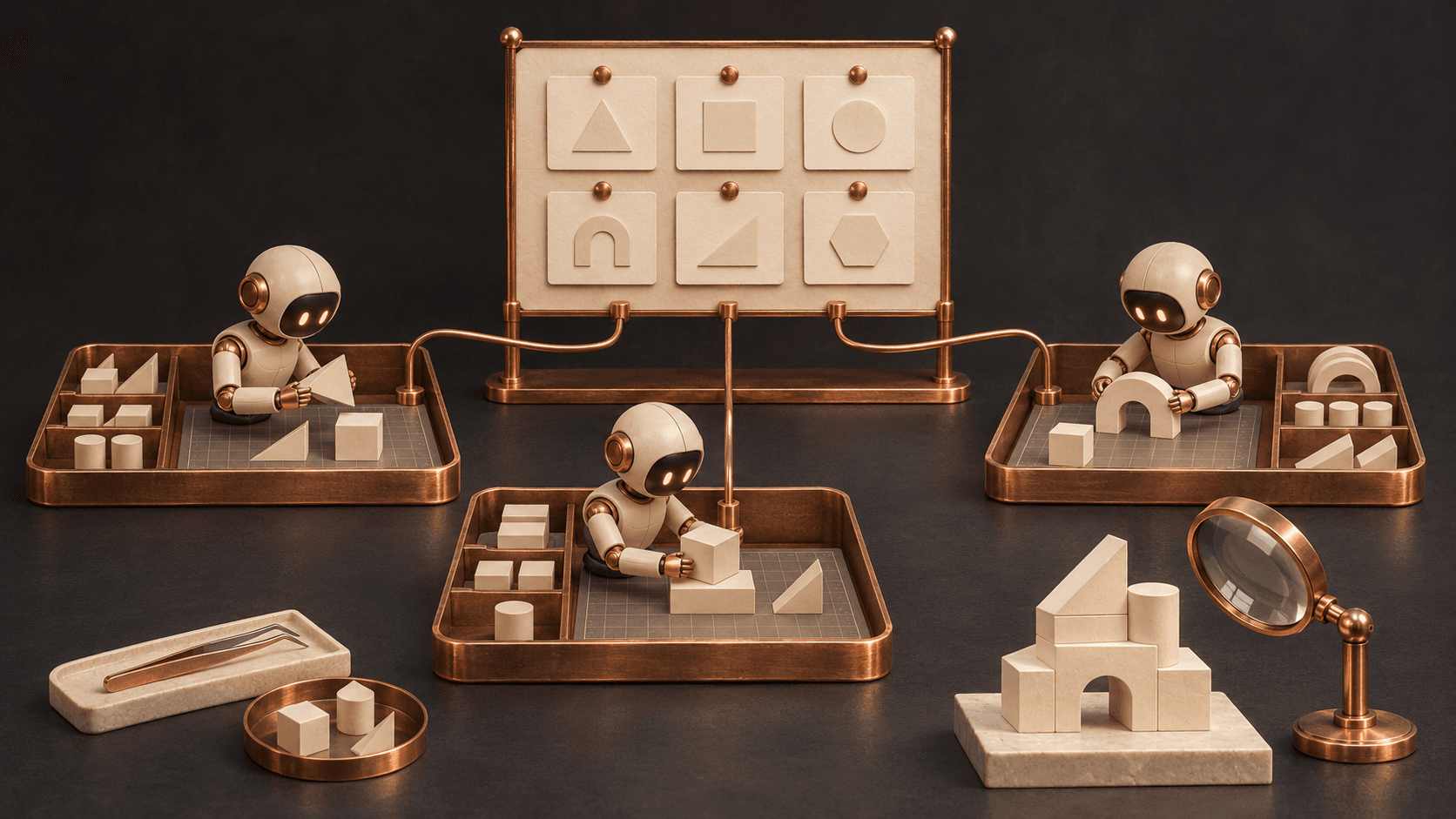
Google Antigravity adds /swarm, a preview feature that splits a task across AI agents coordinating on a shared message board. Google announced it alongside the Gemini 4 Carbon model on November 10, 2026. The app changelog lists /swarm in version 2.31.0, dated November 9.
Google Antigravity release notes: /swarm and Gemini 4 Carbon
Google Antigravity is a workspace for AI agents. With /swarm, the current conversation becomes the coordinator, assigning bounded tasks to named subagents. A verifier reads code changes, runs tests, and reports problems to the agent responsible for the change. Assignments, questions, and results appear on the board.
Workers share the workspace by default. The coordinator can give them separate working copies when several agents edit or build code at once. Workers normally use the conversation's model, but you can request a different model for a particular worker if it is available in your model picker.
Source: Google: Swarm (/swarm).
Gemini 4 Carbon is rolling out to Google AI Ultra subscribers in the Antigravity app, CLI, and IDE extensions. /swarm is rolling out in preview in the app and CLI. Parallel agents consume quota faster than a standard chat, although waiting agents use no tokens.
Sources: Google: Gemini 4 Carbon and /swarm. Antigravity 2.31.0 changelog.
Human step: start in the app
In an existing project conversation, type /swarm and press Tab to insert the command. Then add the task. When the coordinator replies, click Open the Swarm UI to open the pane. Board shows messages, Members lists agents, and Graph shows how they communicated.
Source: Google: Start a swarm.
Short example: use the new Antigravity feature
After inserting the command, you can add this task:
Investigate this project's CSV import and export in parallel. Assign one worker to each part and a third to check their conclusions. Do not change files. Collect file references, conflicting findings, and proposed tests on the board.
- Each worker has a clear area of responsibility.
- Conclusions cite actual files and separate observations from proposals.
- The summary shows what the verifier confirmed and which questions remain.
The Forge newsletter
Get new articles in your inbox
Pick the topics you care about. No noise, at most one email a week.
We follow GDPR. Unsubscribe anytime.