Google Antigravity release notes: CLI 1.1.9 runs skills headlessly and SDK 0.1.9 controls retries
Part of the series: Google Antigravity release notes
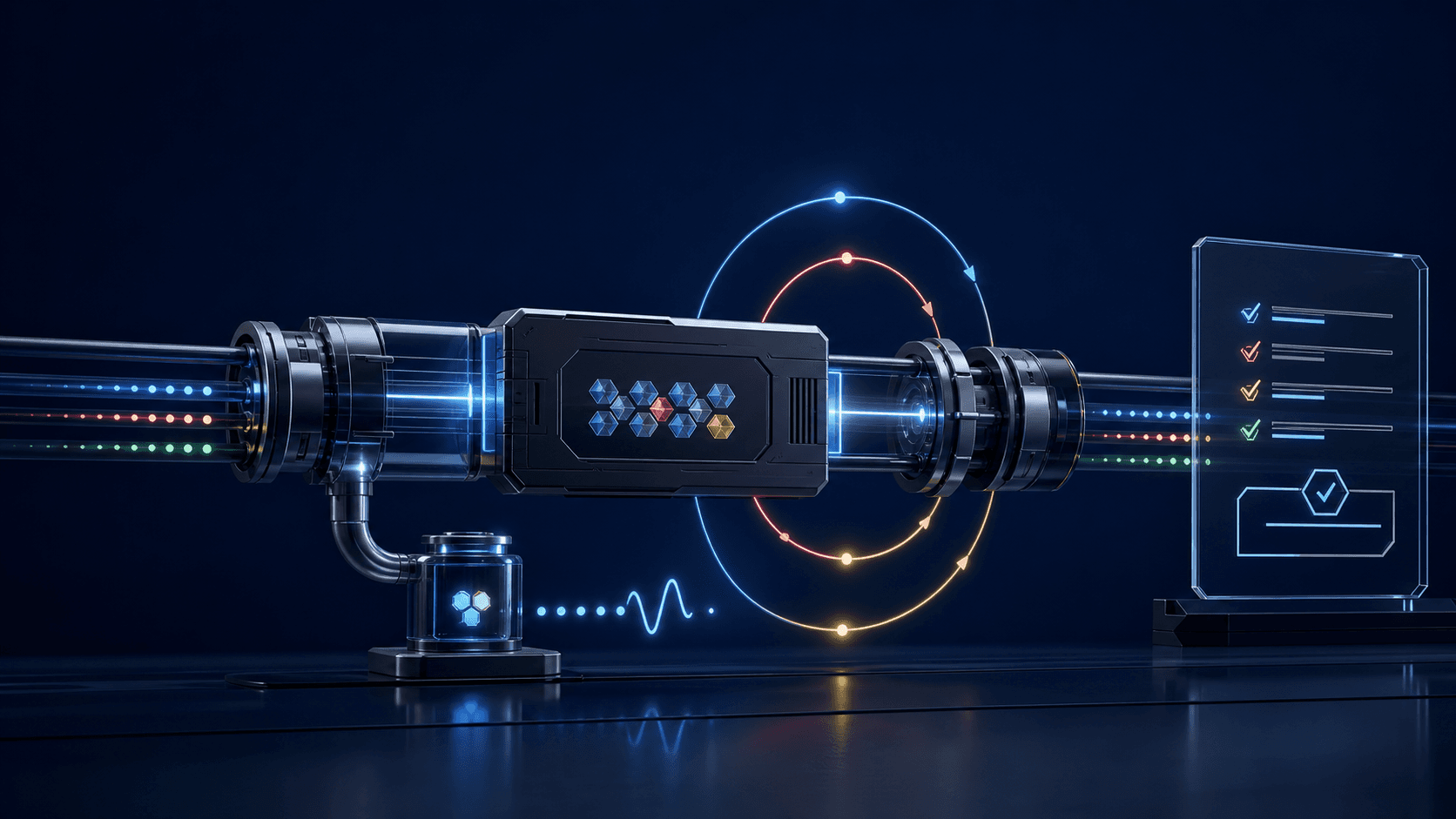
Google Antigravity CLI 1.1.9 arrived on July 31 with a useful change outside the interactive terminal: print mode can now expand slash commands and skills. At the same time, Python SDK 0.1.9 adds retry and backoff controls. Together, they make a recurring agent job easier to run, recover, and review.
Google Antigravity is Google's platform for coding and work agents across an app, CLI, and Python SDK. A skill is a reusable instruction that gives an agent a defined way of working. Print mode is the CLI's non-interactive mode for scripts, CI, and other headless runs.
Google Antigravity release notes: what changed in CLI 1.1.9
In version 1.1.9, print mode expands a slash command or skill before the agent starts working. Google's own example is -p "/my-skill review this diff". Previously, the same text could be sent literally instead of activating the skill. The --disable-slash-commands flag opts out when you intend to send the command as ordinary text.
Several other changes matter in recurring runs:
- Interactive sessions load slow MCP servers in the background, so they do not stall the first agent turn. Headless and one-shot runs still wait because their single scripted turn needs the complete tool set.
- A permission pattern approved at a prompt now lasts for the rest of the conversation.
- Stop hooks can no longer block the agent forever. After a configurable number of continuations, the turn ends normally.
PostToolUseno longer fires on user text and model responses, and MCP servers should not require full reauthentication after a dropped connection.- The
stream-jsoninit event advertises only tools that are available in the current build.
Source: Google Antigravity CLI 1.1.9 release notes.
MCP, or Model Context Protocol, is a standard way to connect an agent to external tools and data sources. The difference between interactive and headless loading matters: a person should get started quickly, while a script needs a complete and predictable tool list.
SDK 0.1.9 makes retries an operating choice
Python SDK 0.1.9 has a changelog dated July 27 and package files uploaded to PyPI on July 29, after our previous Antigravity post. Its main change is configurable retry and backoff behavior in LocalAgentConfig. Backoff means the system waits progressively longer between attempts after a temporary failure instead of hitting the same service again immediately.
The SDK also adds ToolExecutionError for explicit tool failures and DebugConfig for connection logging. Automatic registration of custom Python functions and their docstrings has improved. Google also fixed audio payloads in interactive agent sessions and now scales LiteRT warm-up timeouts with context size.
Sources: Google Antigravity Python SDK 0.1.9 changelog.
PyPI package version and upload data.
This is more useful than another prompt feature. A team can place the review routine in a skill, invoke it from print mode, and give the SDK workflow a clear policy for which failures may retry. Each run should leave a short record with the selected skill, available tools, attempt count, final status, and decisions that need a person.
Human step
- Confirm that the Antigravity CLI installation is version 1.1.9 and the Python environment uses
google-antigravity0.1.9. - Choose a skill that already exists in your Antigravity environment. Replace
<your-existing-skill>in the template below with its real slash name before sending the prompt to print mode. - If you build with the SDK, set retry and backoff rules in
LocalAgentConfigrather than hiding them in the agent prompt. Keep keys in environment variables or a secret manager, use scoped permissions, and logToolExecutionErrorwith the final status.
Verified syntax and availability: CLI 1.1.9 documents skill expansion in -p and the --disable-slash-commands opt-out.
Short example: use the new Antigravity feature
/<your-existing-skill> Review the current automation workflow. List retryable failures, stop conditions, and the fields that belong in the run receipt. Do not change files.
Good output has four traits:
- The failure classification separates transient problems from failures that should stop the run.
- Human approval points are explicit.
- The run receipt includes the attempt count and final status.
- The selected skill stays within its assigned job and leaves files unchanged.
For organizations moving from manual agent tests to a recurring workflow, this fits naturally in Tool Forge: the same skill, the same access boundaries, and the same receipt on every run.
What to watch next
The latest public changelog entry for the Antigravity app remains 2.4.3, which we covered on July 29. The next check is whether CLI skill expansion and SDK retry controls also appear in the combined Antigravity changelog, or whether Google documents more migration requirements for headless runs.
Source: Google Antigravity changelog.
FAQ
What is new in Google Antigravity CLI 1.1.9?
Print mode can expand slash commands and skills in headless runs. The release also improves MCP startup, permission patterns, stop hooks, PostToolUse behavior, and the stream-json tool list.
What does Google Antigravity SDK 0.1.9 add?
The Python SDK adds configurable retry and backoff behavior in LocalAgentConfig, plus ToolExecutionError, DebugConfig, better registration of custom Python tools, and several stability fixes.
Do headless runs wait for MCP servers in CLI 1.1.9?
Yes. Interactive sessions load MCP servers in the background, but headless and one-shot runs still wait so their single scripted turn receives the complete tool set.
The Forge newsletter
Get new articles in your inbox
Pick the topics you care about. No noise, at most one email a week.
We follow GDPR. Unsubscribe anytime.