Google Antigravity release notes: CLI 1.1.4 syncs policy and chains commands
Part of the series: Google Antigravity release notes
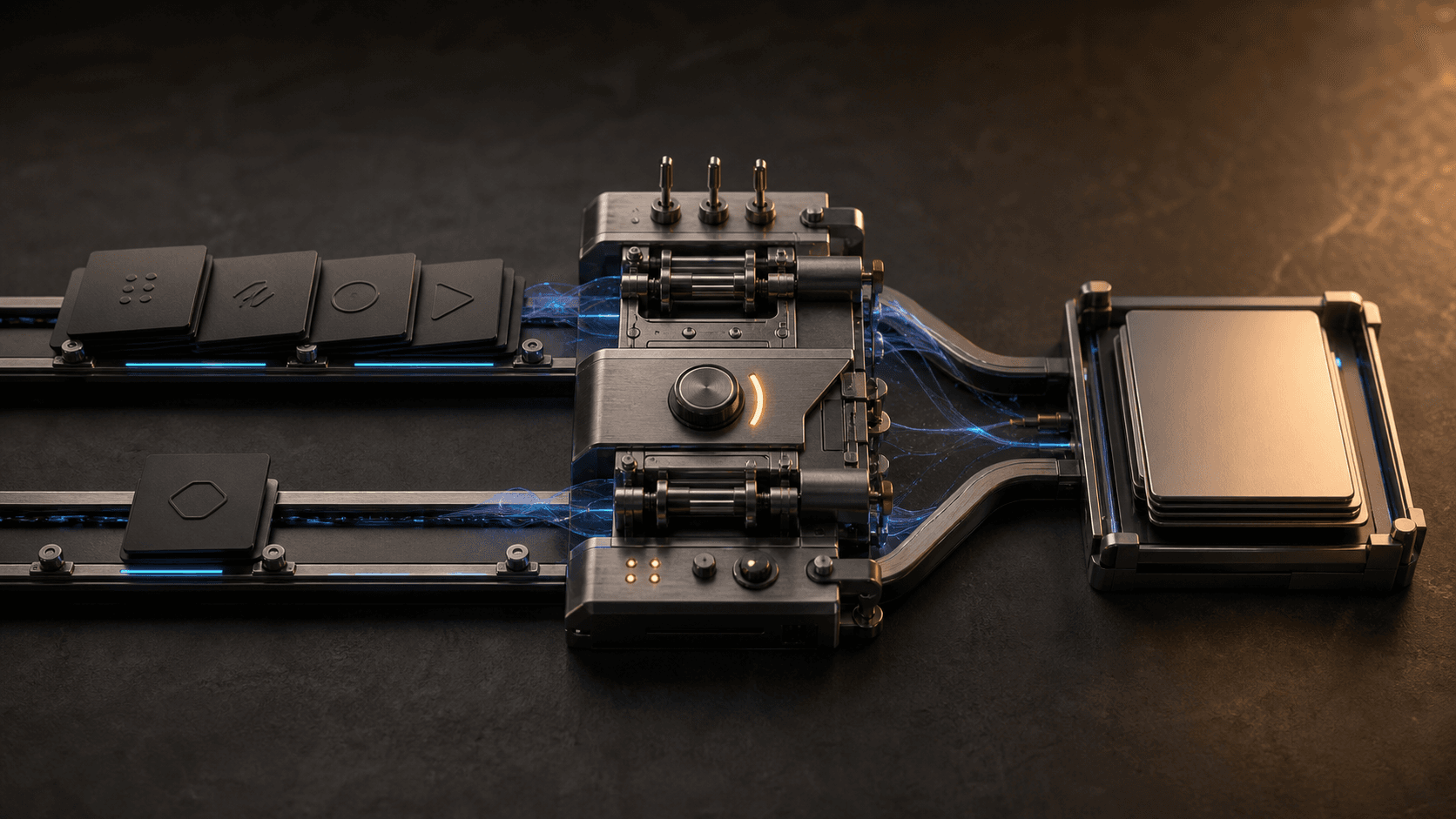
An agent that follows the right policy in an interactive terminal but different rules in a scheduled job is hard to operate. Google Antigravity CLI 1.1.4 fixes that gap. The same release also lets you stack multiple leading slash commands in one prompt.
Google Antigravity CLI is Antigravity's terminal interface for agent-driven work with code and tools. A headless run performs that work without the interactive terminal interface, such as in a script or automated job.
Google Antigravity release notes: what changes in CLI 1.1.4?
Version 1.1.4 was published on July 18, 2026. Its most practical fix concerns -p and --print: headless runs now honor persisted settings.json policies for permissions, file access, sandbox mode, auto-execution, and artifact review.
This makes an automated job more predictable. If you have already decided which files the agent may read, which actions require approval, and how artifacts should be reviewed, those rules should carry over when the job runs without a TUI. A TUI is the interactive text user interface shown in the terminal.
Source: Google Antigravity CLI 1.1.4 release notes.
The release notes also describe stacked slash commands. Multiple commands at the start of one prompt are parsed, activated, and rendered in the order entered. Google's verified example is /plan /grill-me <prompt>.
A slash command is a command prefix that changes how Antigravity handles the task. The release note confirms the chain and its order, but does not define the behavior of /grill-me. Check the interactive help in your installed version if the local command description matters to your test.
Source: Google Antigravity CLI 1.1.4 release notes.
Why headless policy consistency matters
For teams moving an agent workflow from a manual run into CI, scheduling, or internal automation, 1.1.4 narrows the gap between testing and operations. The policy fields are not new. The change is that -p and --print now respect the policies that have already been persisted.
That gives you a clear integration pattern: scope file access and permissions, use a sandbox where it fits, keep an approval point for artifacts, and write a run log. If the workflow needs API keys, have the job load a scoped key from a secret manager instead of placing it in the prompt.
Read the policy your settings.json actually contains before moving an existing job into headless mode. Version 1.1.4 makes the rules consistent, but it does not choose the right rules for you.
Short example: use the new Antigravity feature
Human step
With CLI 1.1.4 installed, place /plan /grill-me before the task in the interactive prompt. That is the command chain explicitly verified in the release notes. If you also test the job with -p or --print, first review the persisted settings.json policy that the run will follow.
Source for the command chain and headless behavior: Google Antigravity CLI 1.1.4 release notes.
Then copy the agent instruction itself:
Review the invoice-export workflow.
Write a change plan covering affected files, tests, and rollback.
List assumptions that are unsupported by the code.
Do not edit files.
A good response should:
- Tie each claim to a file or label it as unknown.
- Name tests and a clear approval point.
- Explain how the change can be rolled back.
- Leave the workspace unchanged.
More fixes in Antigravity CLI 1.1.4
The release notes contain several smaller but useful fixes:
/diffscrolls more smoothly when lines wrap or comments expand.- Custom agents with
subagent: falseno longer appear in the available-subagents list and cannot be invoked as subagents. /btwno longer creates duplicate entries in the conversation list.- A custom Enter binding to
prompt.insert_newlinenow inserts a newline instead of submitting the prompt. - Eligibility errors once again show the actual reason instead of a generic message.
Source: Google Antigravity CLI 1.1.4 release notes.
This release is mainly for teams that want interactive work and automated runs to follow the same operating rules. If your next step is connecting Antigravity to a real workflow, Hammer Automation's Tool Forge can help turn policy, scoped credentials, approvals, and run logs into a routine that people can review.
FAQ
What changed in Google Antigravity CLI 1.1.4?
Headless runs using -p or --print now honor persisted settings.json policies. Multiple leading slash commands can also be stacked in one prompt and processed in order.
Do headless Antigravity runs use the same persisted policy?
Version 1.1.4 fixes headless mode so persisted policies for permissions, file access, sandbox mode, auto-execution, and artifact review are honored.
Can I stack /plan and /grill-me in Antigravity?
Yes. The release notes use /plan /grill-me <prompt> as the verified example of multiple leading commands being parsed and activated in order.
The Forge newsletter
Get new articles in your inbox
Pick the topics you care about. No noise, at most one email a week.
We follow GDPR. Unsubscribe anytime.