AI briefing: agents move from demo to operations

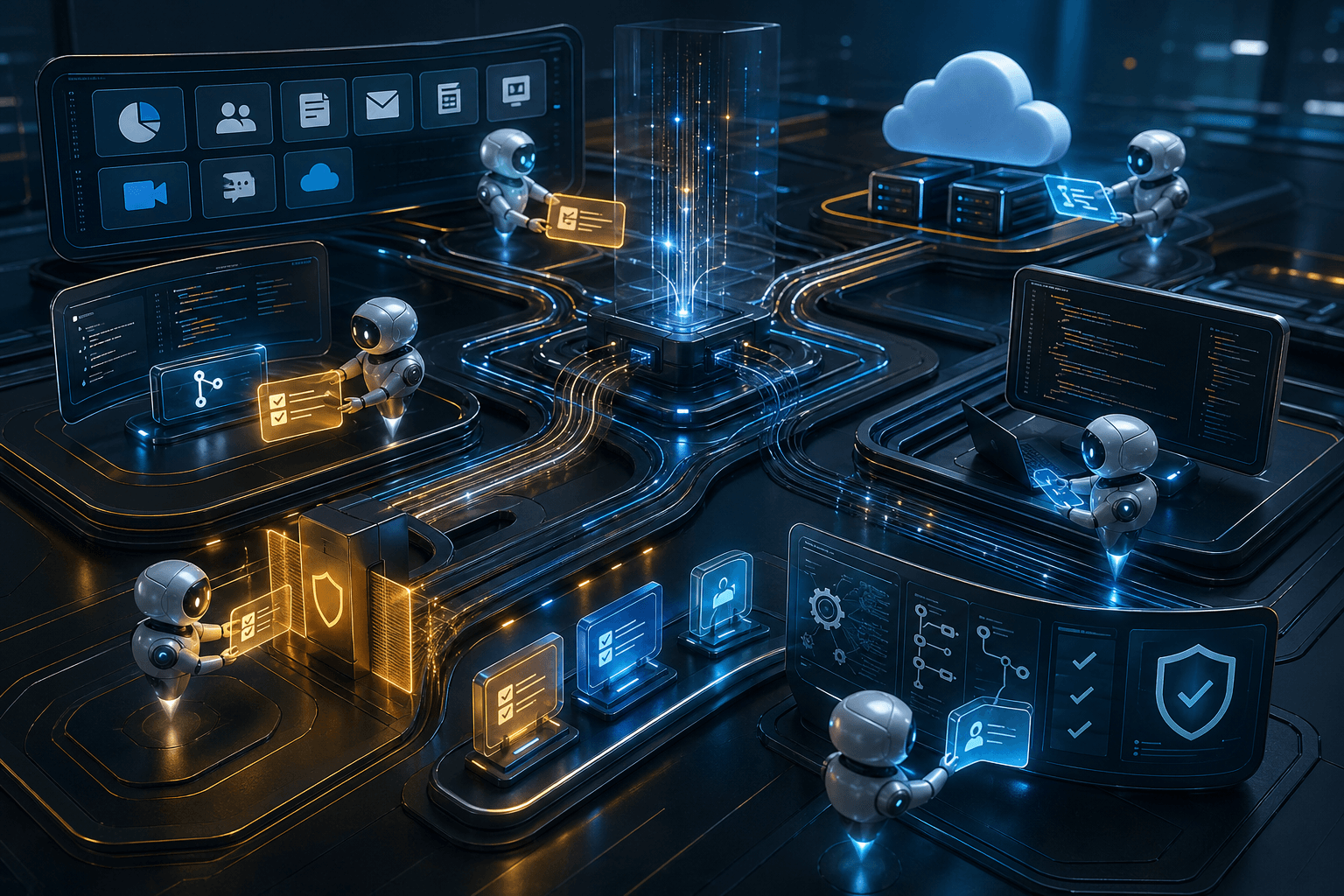
AI productivity is becoming less about a smart chat window and more about workflows that can actually run: plan, use tools, verify results, and hand work between systems. Today's signal is clear: the agent layer is becoming infrastructure.
Today's AI inputs
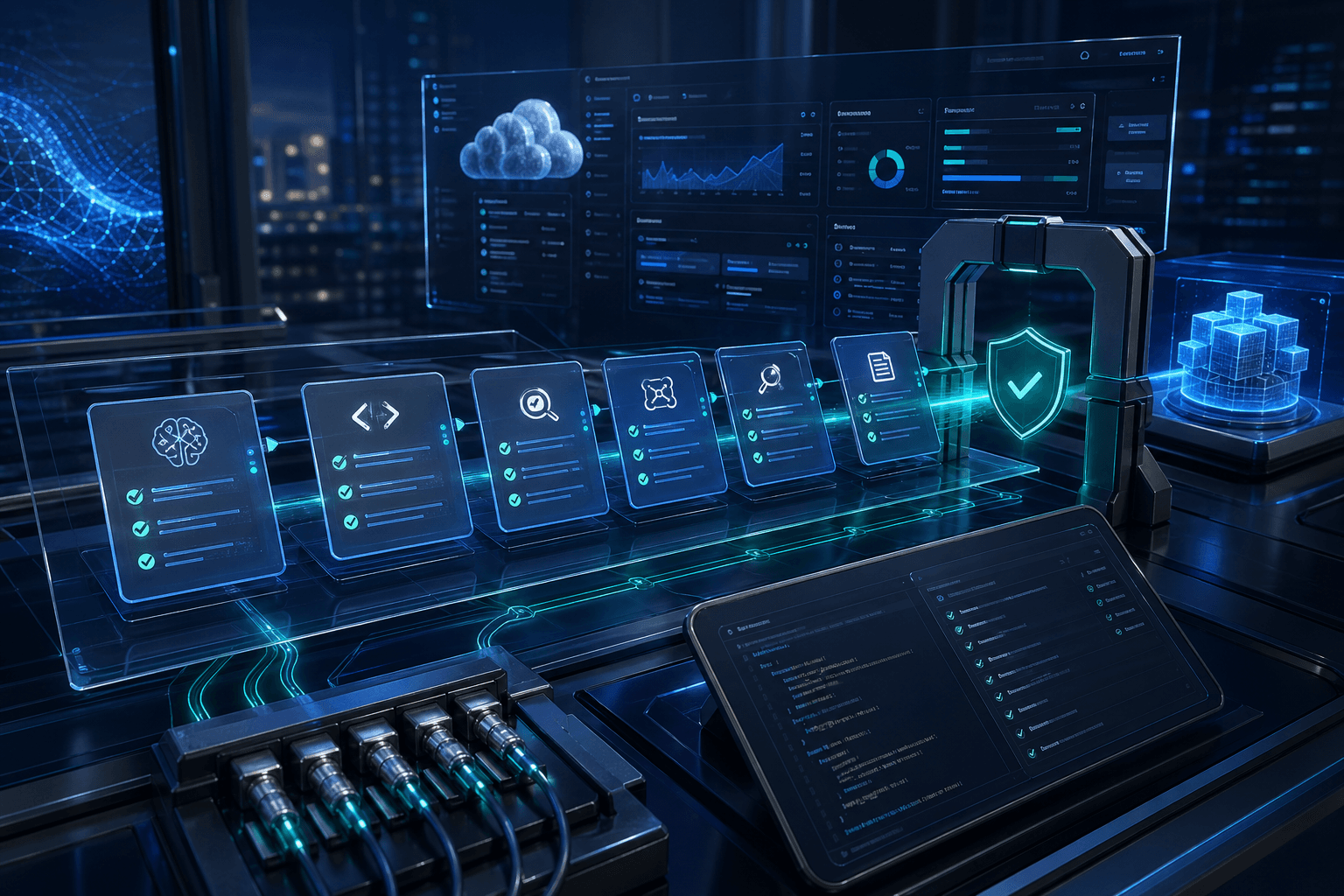
Frontier models are now being positioned for longer, more independent computer-based work: code, research, documents, and tool-driven processes. For productivity, the real gain is not a faster answer; it is fewer handoffs between human, model, and system.
- Agentic work: New model releases emphasize planning, tool use, self-checking, and persistence across multiple steps.
- Code as the test bed: Software work remains the clearest arena for measuring whether agents can truly finish complex tasks.
- Practical effect: Start measuring agent value in completed workflows, not generated responses.
Source: OpenAI – Introducing GPT-5.5 and Anthropic – Introducing Claude Opus 4.7
Learn this: the sandbox becomes the productivity engine
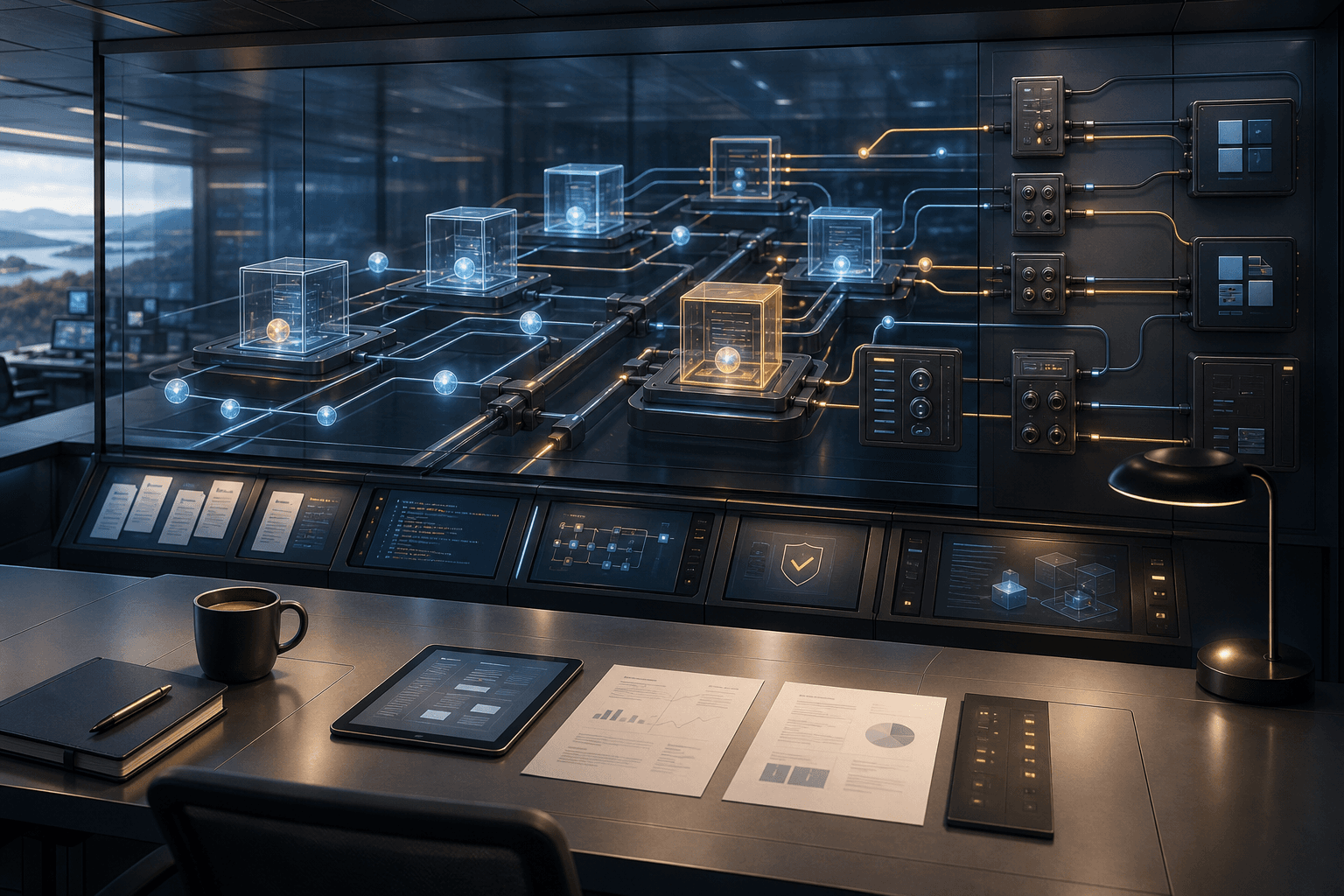
The next step for agents is not just better reasoning, but controlled environments where they can act without putting the rest of the business at risk. Sandboxes, approved tools, logs, and clear permissions are becoming the difference between an impressive demo and a workflow you can run every day.
- Safer execution: Agents can access files, code, and tools inside a constrained workspace.
- Longer tasks: Frameworks are being optimized for workflows that span many steps, not just one question and one answer.
- Management question: Productivity teams need to define which tasks may be automated, which require approval, and which should never run autonomously.
Source: TechCrunch – OpenAI updates its Agents SDK
Watch and read this week: MCP matures
The MCP roadmap points toward a more mature agent ecosystem: scalable transport, agent communication, governance, and enterprise readiness. That matters because productive agents need a standardized way to discover tools, call them, and pass tasks between systems.
- Transport and scale: The focus is on improving the existing transport for production, not adding more official transports.
- Agent communication: Tasks, lifecycles, retries, and result retention are becoming core building blocks.
- Enterprise readiness: Metadata, governance, and extensions will matter when agents need to work inside real organizations.
Source: Model Context Protocol Blog – The 2026 MCP Roadmap
A real use case: from idea to prototype to code
The practical productivity chain is becoming clearer: describe an idea, create a visual prototype, collect feedback, and hand it over to a coding agent. The bottleneck moves from creating the first version to setting the right goal, testing the right assumptions, and keeping quality high.
- Design as workspace: Visual tools can create prototypes, presentations, and interactive concepts from text, documents, or existing websites.
- Handoff to code: When design and requirements are clear, a coding agent can take the next step with richer context.
- Quadrant check: High value, medium risk: use it for accelerated prototyping with human review before production.
Source: Anthropic – Introducing Claude Design and Microsoft Agent Framework – Claude Agent SDK integration
Thoughts on how this affects the future
What is changing now is not just that AI can answer better, but that AI is starting to get a work environment, tools, rules, and handoffs. The winners will be the organizations that build small, safe agent workflows around recurring work and improve them week by week.
The Forge newsletter
Get new articles in your inbox
Pick the topics you care about. No noise, at most one email a week.
We follow GDPR. Unsubscribe anytime.